Poultry • Module II • Broilers & Breeders
An 80-hour advanced hybrid program combining global expertise, Southeast Asian realities and practical training in poultry health, diagnostics and production management.
From flock signals to confident field decisions.
COURSE OVERVIEW

Format: Hybrid (Online + Residential)

Who it’s for? Poultry veterinarians and poultry professionals

Language: English

Duration: 5-day residential + 40h online module

Certificate: Part of the WVEPAH Certification Program
A comprehensive and practical program designed for poultry veterinarians and production professionals looking to advance their expertise in poultry health, diagnostics, management, and production.
Why join this course
Train with internationally recognized poultry experts
Gain practical skills used in real field situations
Improve decision-making in poultry health management
Stay current with global industry challenges and standards
Strengthen your expertise across health, nutrition, and production
Build confidence in diagnostics and clinical reasoning
Join the official WVEPAH Certification pathway to become an international expert
What you will work on
Diagnosis and prevention of poultry diseases
Avian influenza and disease vaccination strategies
Broiler and breeder production systems
Nutrition and gut health management
Clinical case analysis and field investigations
Laboratory diagnostics and postmortem techniques
Biosecurity, welfare, and farm health protocols
Emerging tools including AI in poultry production



When? 23-27 November, 2026
Where? University of the Philippines Los Baños (UPLB)
Price?
Early bird rate: €2,350 (until September 30th)
Regular fee: €2,500
The course fee includes:
Access to online course materials (for 7 years)
Final exam administered by Université de Montréal
Dinners and two coffee breaks per day during the residential week
Please note that the fee does not include accommodation, transportation, health insurance, or visa costs.
Members of WPSA and WVPA are eligible for a €100 discount upon registration, subject to proof of membership.
FINANCIAL SUPPORT
WVEPAH, as a non-profit organization, does not offer scholarships or direct financial assistance for its training programs. Participants seeking financial support are encouraged to explore funding opportunities through their employers, professional associations, government agencies, or industry partners. We also offer the possibility of paying the course fee in two installments. If this option would make participation more feasible, please contact us at info@wvepah.org and we will be happy to provide further details.
Prepare at your pace. Apply it together.
The hybrid format separates knowledge acquisition from guided application, so the residential week can focus on judgment, cases and field practice
ONE PROGRAM · TWO LEARNING ENVIRONMENTS
40 hours online
PART 01 -
Self-paced recorded lectures from international poultry experts
Broiler production, genetics, breeder management and chick
quality
Diseases, immunology, vaccination, diagnostics, nutrition and
welfare
Course materials remain accessible for seven years
KNOWLEDGE · FLEXIBILITY · PREPARATION
5 days at UPLB
PART 02 -
Practical laboratory sessions, ELISA interpretation and
postmortem work
Clinical cases, mortality investigations and vaccination decisions
Regional poultry nutrition and production challenges in Southeast Asia
Field visit to commercial poultry operations
APPLICATION · EXCHANGE · FIELD DECISIONS
*The schedule listed is subject to change. Minor adjustments may occur.
Learn directly from specialists with decades of experience across health, vaccines, hatcheries, diagnostics, nutrition and production.
Global expertise, translated into field practice.
MEET THE COURSE MASTERS
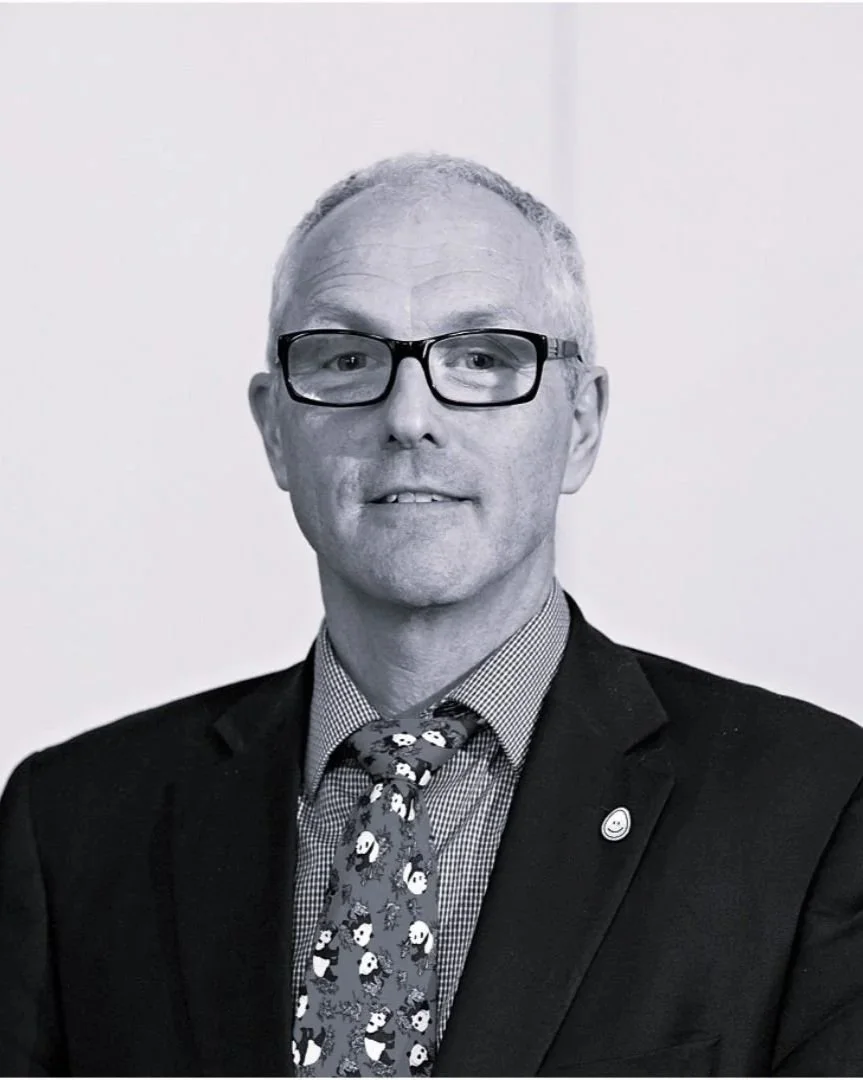
Expertise: Egg production, layer management, poultry health, Artificial Intelligence in the Poultry sector
Experience: 30+ years in the global poultry industry
Region: North America & International
During the course: Global poultry production trends, operational health management, and clinical case discussions
Dr. Vincent Guyonnet
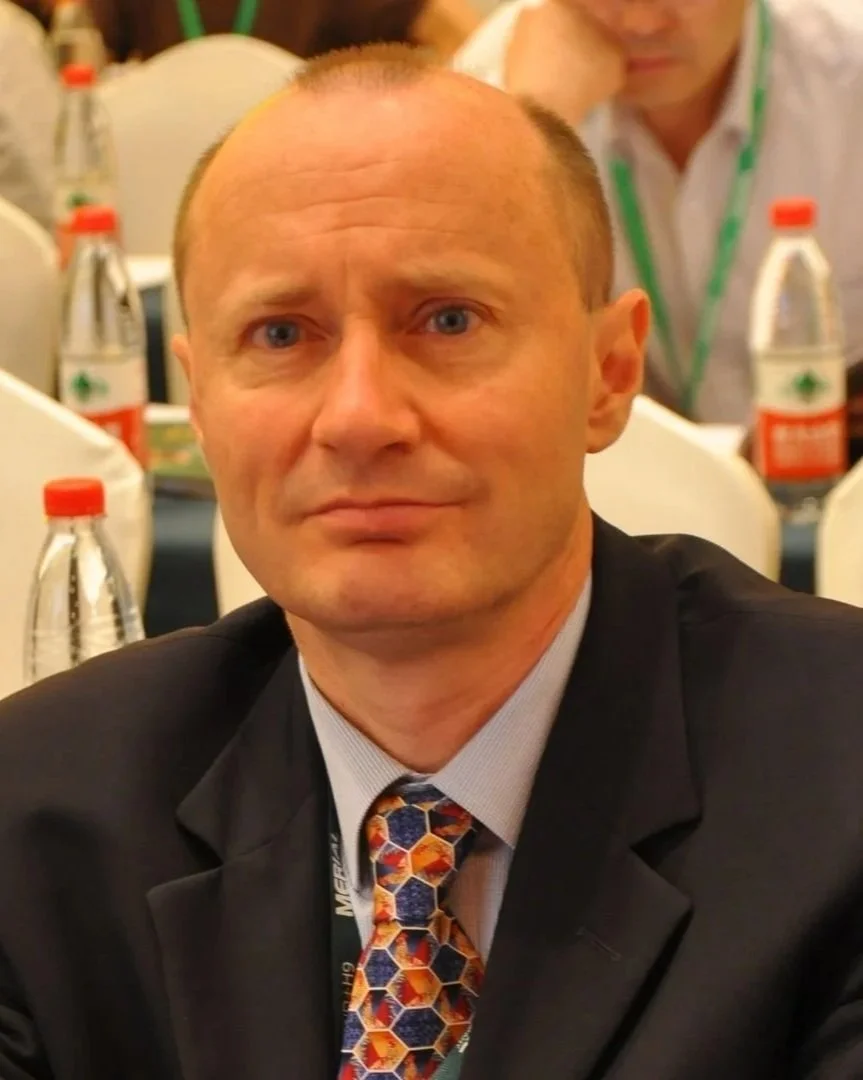
Expertise: Poultry vaccination, avian diseases, disease prevention
Experience: 30+ years in the poultry industry
Region: Europe & International
During the course: Poultry vaccines, avian influenza, vaccination monitoring, and clinical case discussions.
Dr. Stéphane Lemière

Expertise: Hatchery management, poultry health, immunology, and vaccination, biochemistry
Experience: 30+ years in the poultry industry
Primary focus: North America & International
During the course: Practical approaches to hatchery health management, poultry diseases, and vaccination strategies.
Dr. Daniel Venne
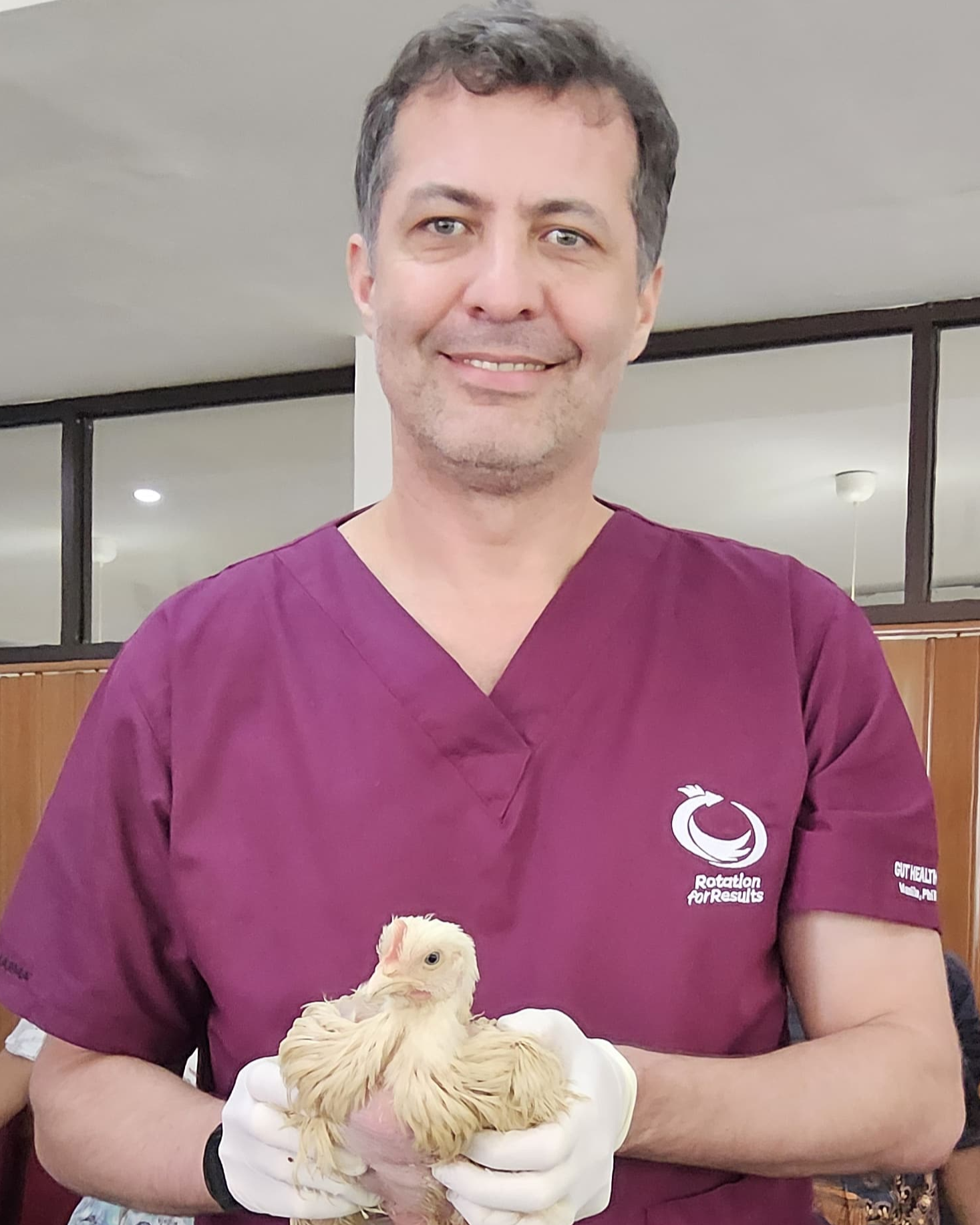
Expertise: Intestinal health, coccidiosis management, poultry vaccines, and feed additives
Experience: 15+ years in poultry health and production
Primary focus: Southeast Asia
During the course: Practical strategies for coccidiosis prevention and control in broiler and breeder production.
Dr. Leandro Ferreira

Expertise: Poultry diagnostics, disease investigation, breeder and broiler health
Experience: 18+ years in poultry health management
Primary focus: Asia-Pacific & Europe
During the course: Diagnostic decision-making, broiler breeder diseases, immunosuppression, ELISA interpretation, and field-to-laboratory investigation of clinical cases.
Dr. Magali Charles
WHY THIS FACULTY MIX MATTERS
Participants benefit from complementary perspectives across production, prevention, diagnostics, breeder health, hatcheries, intestinal health and vaccination—then
connect them through shared cases and field discussion.
Questions before you enroll?
Who can apply to this Module II course?
1
Veterinarians and animal health professionals working in poultry production who hold a degree in veterinary medicine or animal sciences from a university or other recognized higher education institution.
Do I need to complete Module I first?
2
No. Module I and Module II can be completed independently and in either order. You do not need to complete Module I before enrolling in Module II.
Can WVEPAH support visa and travel preparation?
3
Yes. WVEPAH can provide the necessary supporting documents for visa applications and assist participants with practical information to help them prepare for their travel.
Can my employer register and pay for several participants?
4
An employer or organization may register and pay for multiple participants. Please contact WVEPAH (info@wvepah.org) for information on the registration and payment process for group registrations.
What are the certification and exam requirements?
5
The Module II examination is administered by Université de Montréal (UdeM). Participants who successfully complete Module II receive a Module II participation attestation.
The WVEPAH Professional Certificate, issued by UdeM, requires completion of both Module I and Module II examinations, followed by the required applied work: 25 clinical cases or 3 short review papers.
Ready to strengthen your poultry health decisions?
Join an international cohort of professionals for an advanced learning experience built around real field challenges.