BIOCHEMISTRY FOR POULTRY PROFESIONNALS
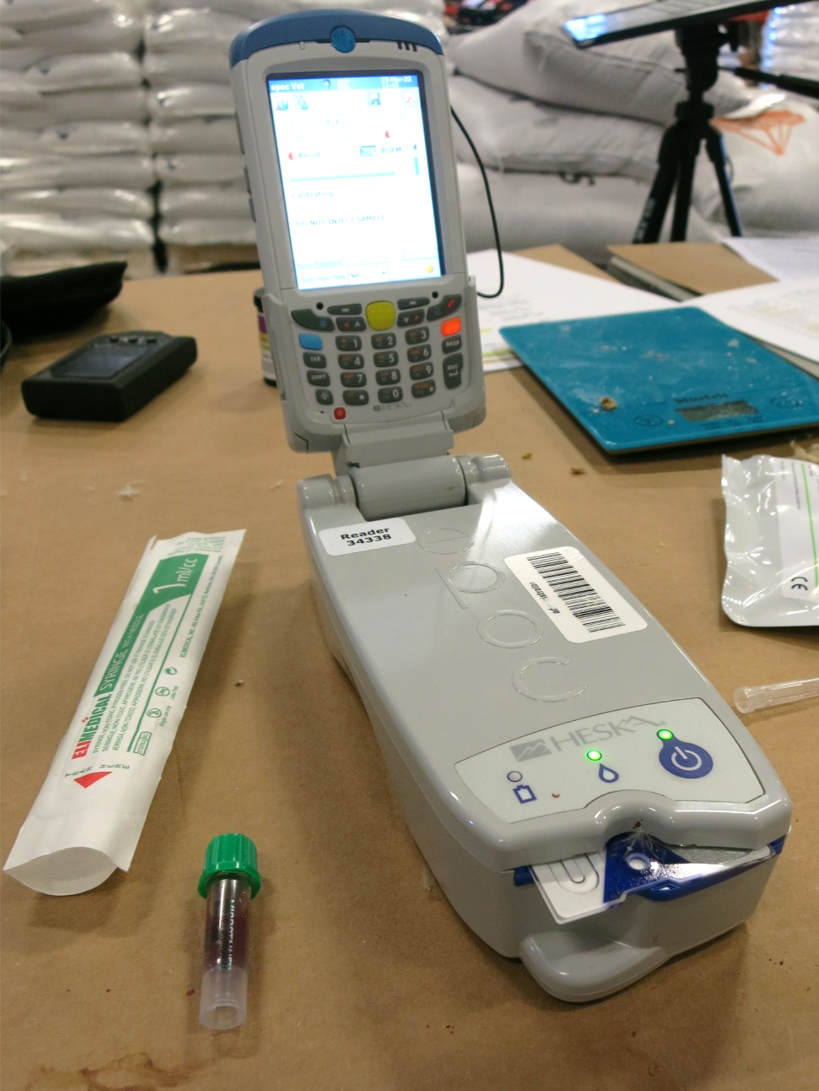
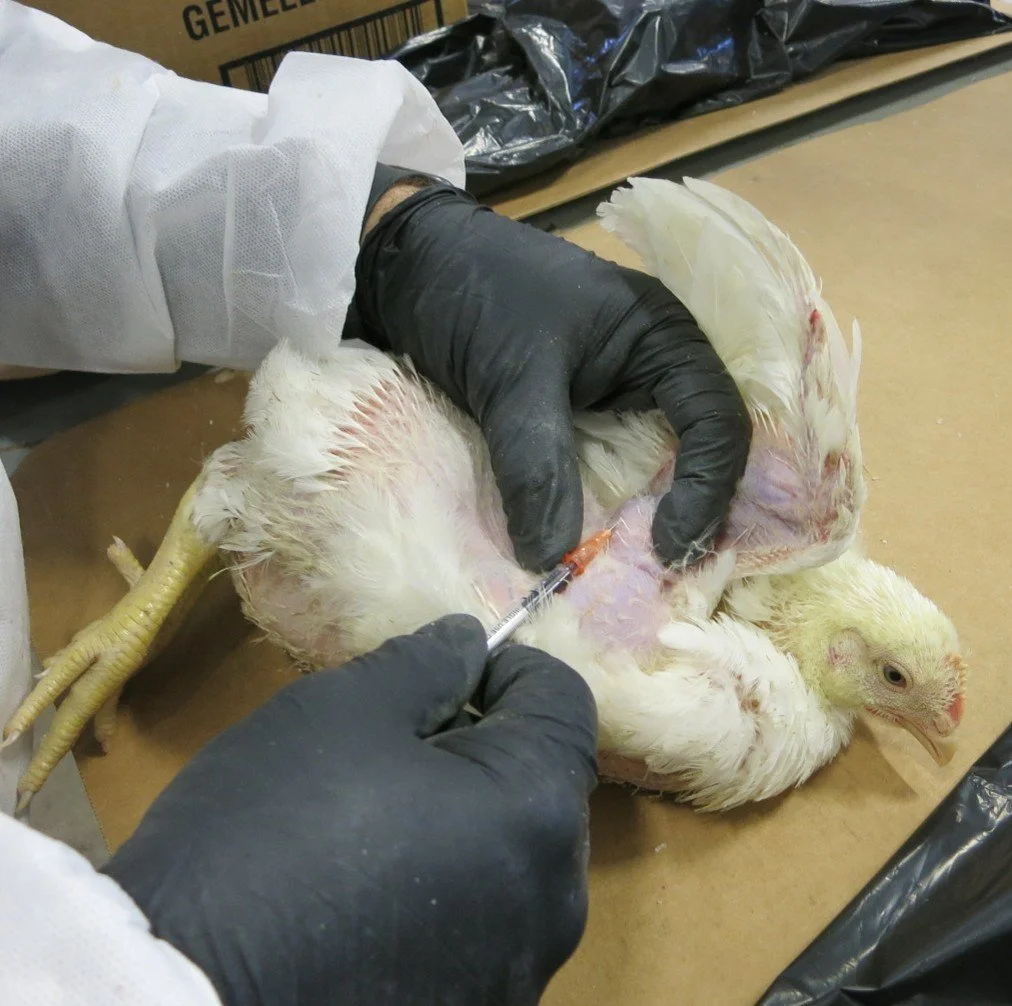
This course is an intensive three-day program designed to strengthen participants’ understanding of avian biochemistry, physiology and laboratory diagnostics. Through expert lectures, practical sessions and case studies, participants will develop skills in sample handling, blood analysis and the assessment of key organ functions. The course also explores nutritional, environmental and toxicological factors affecting poultry health, supporting more accurate diagnosis, disease prevention and effective flock management.
COURSE OVERVIEW

Format: 3 days on site

Who it’s for? Poultry veterinarians and professionals

Language: English

Duration: 3 days residential

Certificate: Not Part of the WVEPAH Certification Program
An intensive three-day course exploring the fundamentals of avian biochemistry, physiology and laboratory diagnostics. Combining expert-led lectures with hands-on practical sessions, it equips poultry professionals with essential knowledge and skills to improve diagnostic and health management practices.
Why join this course
Enhance your ability to interpret laboratory results and apply biochemical knowledge to real-world poultry health challenges. Gain practical diagnostic skills, deepen your understanding of avian physiology and learn how nutritional, environmental and management factors influence bird health. Through expert-led lectures and hands-on sessions, you will acquire valuable tools to support better clinical decisions, disease prevention and flock performance.
What you will learn
Understand key principles of avian biochemistry and physiology.
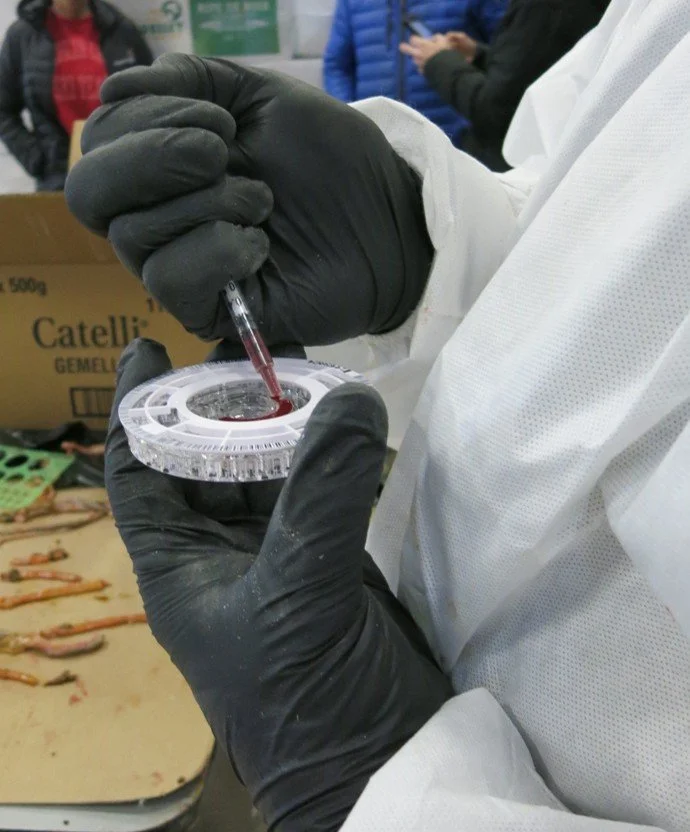
Develop practical skills in sample collection, handling and laboratory analysis.
Interpret blood profiles and biochemical markers.
Assess liver, kidney, digestive and respiratory functions.
Evaluate nutritional, environmental and toxicological factors affecting poultry health.
Apply diagnostic findings to clinical cases and flock health management.



When? 14-16 March, 2027
Where? North Carolina State University, USA
Price?
Rate: 649 EUR
The course fee includes:
Dinners and two coffee breaks per day during the residential week
Please note that the fee does not include accommodation, transportation, health insurance, or visa costs.
Members of WPSA and WVPA are eligible for a €100 discount upon registration, subject to proof of membership.
Detailed Program
3 days of in-person training.
-
8 :00 – 9 :00
Review of essentials about bird physiology and homeostasis
9 :00 – 10 :00
Sample handling and processing;
Analytical techniques;
Reference laboratory vs In house
10 :00 – 10 :15
BREAK
10 :15 – 12 :00
Blood: Complete blood count (CBC); Hematocrit, Iron; Vitamin B; Folic acid, ; Hematocrit and Hemoglobin;
Coagulation: Simple coagulation tests, vit K3 blood clotting time, ACT, PT, Aptt
12 :00 -13 :30
LUNCH
13 :30-15 :00
Respiratory system, Blood gases, pCO2, PO2, SO2 Electrolytes (sodium; potassium; chloride; bicarbonate, Acid/base disorders pH, Osmolarity
Minerals (calcium, ionized calcium, magnesium, phosphate), copper, vitamin D
Renal (Kidney) Function Tests (creatinine; blood urea nitrogen, uric acid, potassium and phosphorous); Urine sediment
15 :00-15 :15
BREAK
15 :15-16 :15
Proteins: Total protein, pre-albumin, albumin
globulins, AG ratio, protein electrophoresis, acute phase proteins, immunoglobulins: alpha, beta, gamma globulins, passive transfer
16 :15-17 :30
CASE STUDIES
-
8 :00 – 9 :00
Liver: Liver Function Tests /AST/BiLE ACID
mycotoxins
9 :00 – 10 :00
Digestive system: Digestion Tests
(malabsorption; coccidiosis; carotene
10 :00 – 10 :15
BREAK
10 :15 – 12 :00
Muscle damage tests; Vitamin E and Selenium; Oxydative process analytes, Fat rancidity, TOC etc. Other antioxydants
Miscellaneous (Glucose; blood gases ([H+], PCO2, PO2); adrenocorticotropic hormone (ACTH); corticosterone (stress markers), Creatinine Kinase (CK); T4; Ionophore toxicity
12 :00 -13 :30
LUNCH
13 :30-15 :00
Laboratory
Testing on live birds exposed to:
a) two different environmental conditions
b) Two different nutrition regimes
15 :00-15 :15
BREAK
5 :15-16 :15
Laboratory discussions & case studies
-
8 :00 – 9 :00
Serological changes over time, Sampling size and selection depending on situation
Antigen and Special Tests (Heavy metal assays, etc); iron/hematocrit
9 :00 – 10 :00
Intoxications: Anti-nutritional factors; Trypsin inhibitors; Antibiotics; Pesticides
10 :00 – 10 :15
BREAK
10 :15 – 12 :00
Water and electrolyte imbalance
Thermal stress; feathering
12 :00 -13 :30
LUNCH
13 :30-15 :00
CASE STUDIES: PROBLEM SOLVING
Respiratory acidosis
Respiratory alkalosis
Metabolic acidosis
Metabolic alkalosis
15 :00-15 :15
BREAK
15 :15-16 :15
Therapeutics recapitulation:
Technical & nutritional management
Water chemical treatments
Temporality and kinetics aspects
16 :15-17 :30
KEY POINTS FOR SUCCESS IN THE FIELD