Module II Specialization : Health Management & biosecurity in main Aquaculture species reared around the Mediterranean
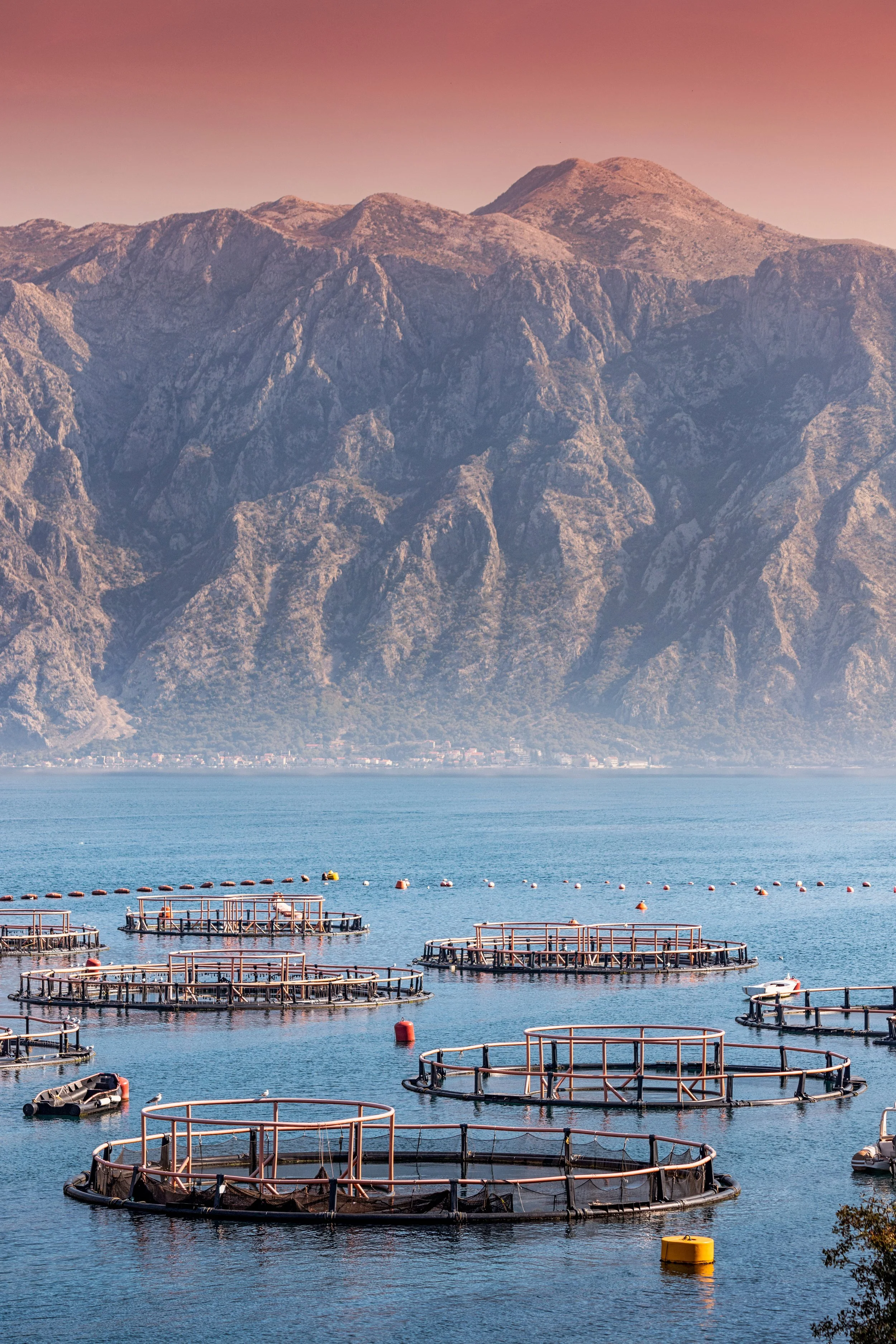
This advanced training program provides a comprehensive and practical overview of key aspects of modern aquaculture, with a focus on species commonly reared in Mediterranean countries, such as salmonids, seabass, and seabream.
COURSE OVERVIEW

Format: Hybrid (Online + Residential week)

Who it’s for? Aquaculture veterinarians and professionals

Language: English

Duration: 5-day residential + 40h online module

Certificate: Part of the WVEPAH Certification Program
A comprehensive and practical program designed for aquaculture veterinarians and production professionals actively working in the field looking to advance their expertise in aquaculture health, diagnostics, management, and production.
Why join this course
Gain advanced expertise in modern aquaculture health management
Learn from internationally recognized aquaculture specialists
Develop practical skills applicable directly in the field
Explore both freshwater and marine species production systems
Strengthen your knowledge of fish pathology, diagnostics, and biosecurity
Understand sustainable farming practices and RAS management
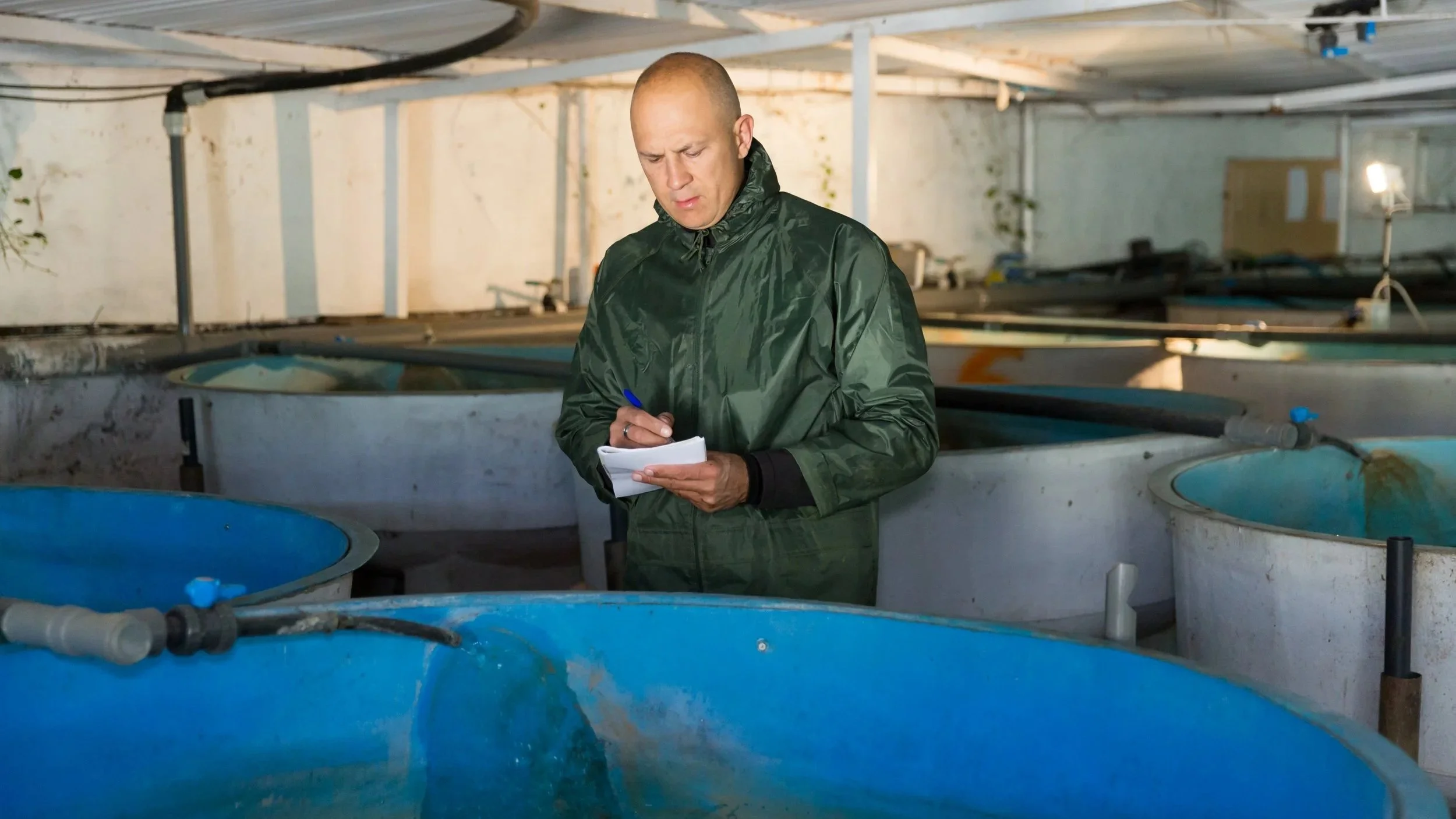
Participate in hatchery and trout farm visits during the residential week
Expand your professional network within the international aquaculture sector
What you will work on
Physiology and development of larvae, fry, and broodstock
RAS systems, water quality, biofilters, and environmental management
Nutrition, feeding strategies, and sustainable feed formulation
Genetics and selective breeding programs in aquaculture
Biosecurity plans, hygiene procedures, and disease prevention
Epidemiology, disease surveillance, and antimicrobial resistance (AMR)
Major viral, bacterial, parasitic, and fungal diseases in aquaculture species
Diagnostic tools, vaccination strategies, and farm audit methodologies



When? 30 Novembre-4 December, 2026
Where? Istituto Zooprofilattico Sperimentale delle Venezie, Padova, Italy
Price?
Early bird rate: €2,400 (until October 31st)
Regular fee: €2,600
The course fee includes:
Access to online course materials (for 7 years)
Final exam administered by Université de Montréal
Dinners and two coffee breaks per day during the residential week
Please note that the fee does not include accommodation, transportation, health insurance, or visa costs.
Members of WAVMA are eligible for a €100 discount upon registration, subject to proof of membership.
FINANCIAL SUPPORT
WVEPAH, as a non-profit organization, does not offer scholarships or direct financial assistance for its training programs. Participants seeking financial support are encouraged to explore funding opportunities through their employers, professional associations, government agencies, or industry partners. We also offer the possibility of paying the course fee in two installments. If this option would make participation more feasible, please contact us at info@wvepah.org and we will be happy to provide further details.
DETAILED PROGRAM
ONLINE PART
Available now
Topics covered
Fish Physiology – Developmental stages, Larvae digestive physiology, gill and skeletal formation and deformities, metamorphosis.
Farm structure & Environment: Recirculating Aquaculture Systems (RAS) – System design, biosecurity, water treatment, and emergency response.
Nutrition & Feeding – Feed formulation principles, Important nutritional aspects and ratios of fish feed at different biological stages, species-specific needs, sustainability, and broodstock nutrition.
Genetics – Breeding programs and molecular tools in selection. Genetic component of deformities
Biosecurity & Hygiene – Hygiene and biosecurity in hatcheries, Biosecurity plans, Biosecurity in fry transportation and transfer, contingency plan, management of specific diseases with vertical transmission.
Pathology – Main Viral, bacterial, parasitic diseases in marine and freshwater species reared around the mediterranean.
Epidemiology and Antimicrobial Resistances: risk analysis, and surveillance. Antimicrobial Resistance (AMR) monitoring and management
Diagnostics – Pros and cons of diagnostic methods in laboratories. Interest and limits of molecular tools. Importance of Sampling and samples transfer to the laboratory
Vaccination – Autologous Vaccines and Industrial Vaccines : differences / similarities. Field application of autologous and commercial vaccines. How to operate with average/low protection vaccines.
RESIDENTIAL PART
-
Visit to a Seabass and Seabream Hatchery
-
Hatchery Management
-
Trout farm visit and Audit
-
Audit Report Preparation
-
Audit Presentations & Expert Discussion
*The schedule listed is subject to change. Minor adjustments may occur.
Questions before you enroll?
Veterinarians and animal health professionals working in aquaculture who hold a degree in veterinary medicine or animal sciences from a university or other recognized higher education institution.
Who can apply to this Module II course?
1
No. Module I and Module II can be completed independently and in either order. You do not need to complete Module I before enrolling in Module II.
Do I need to complete Module I first?
2
Yes. WVEPAH can provide the necessary supporting documents for visa applications and assist participants with practical information to help them prepare for their travel.
Can WVEPAH support visa and travel preparation?
3
Can my employer register and pay for several participants?
4
An employer or organization may register and pay for multiple participants. Please contact WVEPAH (info@wvepah.org) for information on the registration and payment process for group registrations.
The Module II examination is administered by Université de Montréal (UdeM). Participants who successfully complete Module II receive a Module II participation attestation.
The WVEPAH Professional Certificate, issued by UdeM, requires completion of both Module I and Module II examinations, followed by the required applied work: 25 clinical cases or 3 short review papers.